The Risk of Inaction
This essay originally appeared on my Substack here.
What private equity, conscious capitalism, and the Army War College taught me about leading through uncertainty.
This week I’m walking into a conference room to manufacture a crisis.
Thanks for reading! Subscribe for free to receive new posts and support my work.
Not metaphorically. I’ll pull the three most likely dysfunctions from the team’s data — the patterns that live in their assessments, their 360s, the places where they go quiet under pressure — and I’ll build scenarios designed to detonate exactly those fault lines. In the room. Before the real version arrives.
Because it always arrives.
The question is never whether your team will face a moment that tests everything you thought you’d built. The question is whether they’ve practiced being there.
I’ve been thinking about that question differently since last month. In thirty days I sat in three rooms that almost never overlap. A Private Equity operating partners summit in New York. A conscious capitalism conference with the theme “Love Conquers Fear” in Omaha. The National Security Seminar at the Army War College in Carlisle, Pennsylvania.
Each room taught me something the others couldn’t.
Taken together, they confirmed something I’ve believed for years but couldn’t fully articulate until now.
You need all three to lead.
Intuition: Private Equity
I’ve spent eight years inside PE. I know nearly everyone in the room. The add-backs, the portfolio reviews, the EBITDA math that looks pristine until it survives contact with payroll. The operating partners at LPGP’s summit have scars from decisions that went wrong at 2 a.m. on a Tuesday when the shift lead called out and nobody was there to close.
Alvarez & Marsal named the real constraint from the stage: it’s not capability. It’s capacity. The CEOs I coach are living it — so busy trying to figure out why the view from the top isn’t driving the bottom line. When they finally come up for air, they’re stunned by how much has moved while they were heads-down — particularly with AI.
The greatest growth lever is time. People who have it to spend learning are racing ahead.
I voted a deal a 1 out of 4 (lowest score) in one of my first Investment Committee meetings in Private Equity. I was the only person in the fund who’d ever operated a restaurant. I’d paid full retail for every headwind I could see on that term sheet. I got outvoted by people who hadn’t been on the front lines. Years later, when the deal went into distress, they called me back.
We pay for expertise twice: once to ignore it, once to fix what ignoring it cost us.
Intuition knows things before the data confirms it. That’s not mysticism. That’s pattern recognition built from experience, multiplied by risk. Operating Partners were moving because their accumulated experience tells them the cost of waiting is higher than the cost of being wrong. Yet many portfolio company management teams are too busy to get on the exponential AI curve. Capacity issues, not capability issues.
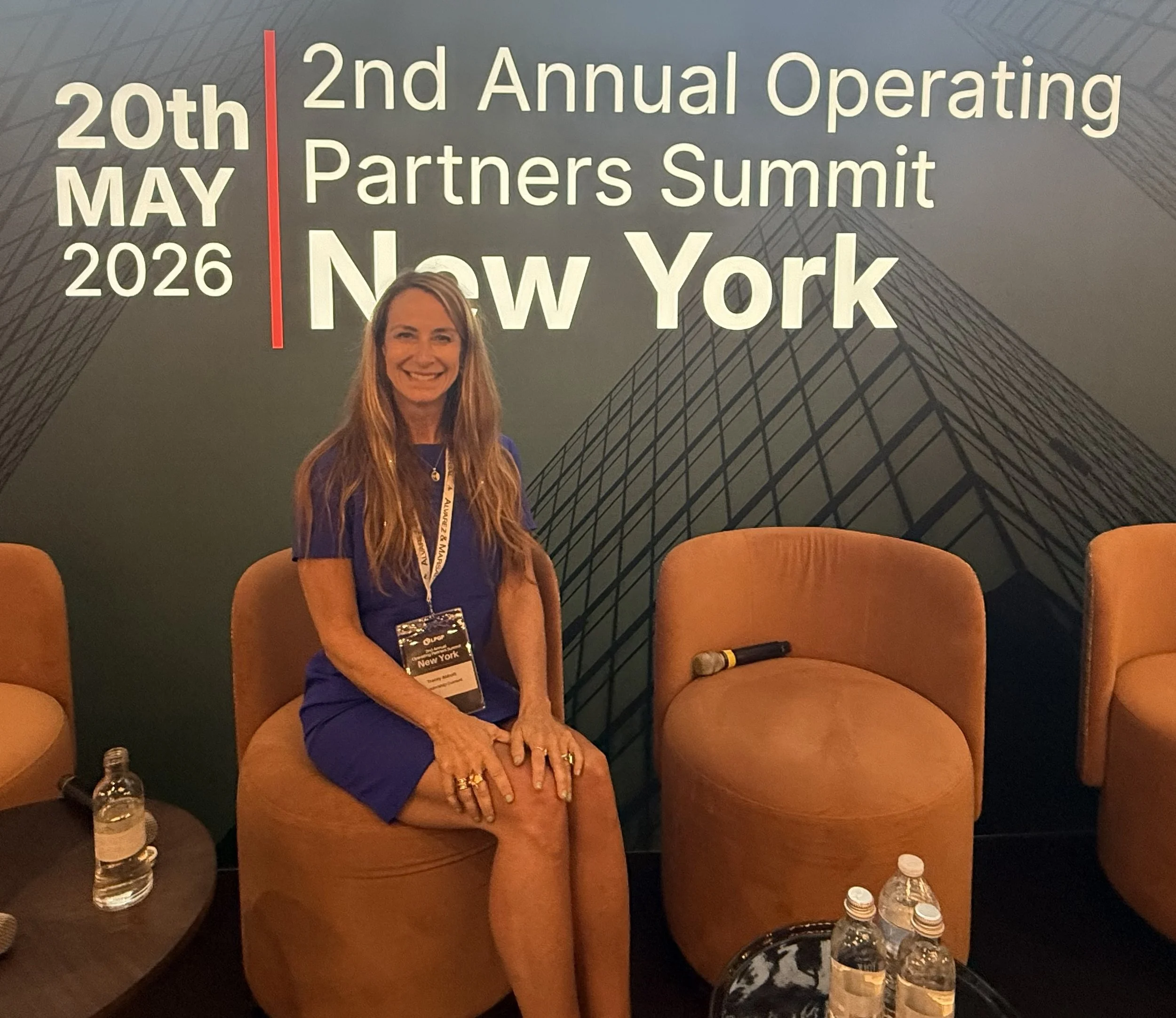
LPGP Private Equity Operating Partners Summit
Heart: Conscious Capitalism
When artificial is intelligent, what’s left is real character.
And we have a choice how to lead through complexity — with love, or with fear.
That’s why I was in Omaha the following week at the Do More Good Conference, there to support my Henry Crown Fellow and friend Brett Hurt and his book Love Conquers Fear. The room was full of conscious capitalists, social entrepreneurs, people building something that doesn’t require choosing between profit and purpose.
In his morning workshop, he suggested someone take notes of the group discussions. I suggested we just record it on Claude and transcribe. He and I knew this basic capability — but nearly no one else in the room did.
I’m pro capital. Pro human. Pro possibility. Not because I’m naive. I’m a realist. What we do with what we’ve built right now is all that matters.
The gap between those two rooms isn’t a technology gap. It’s a hesitation gap. The conscious capitalism movement often has the values right — but needs funding to create action.
Heart without intuition never moves.
And yet I need this room. I need what it knows that the PE room forgets. That transformation requires love as a strategy, not just as a sentiment. That the leaders who last are the ones who know what they’re building toward, not just what they’re building away from.
Love Conquers Fear is a direct challenge to the operating logic of most organizations: that fear is the primary lever of performance. It isn’t. It’s the primary lever of compliance. Those are not the same thing.
Heart is what makes people follow you when the mission gets hard.
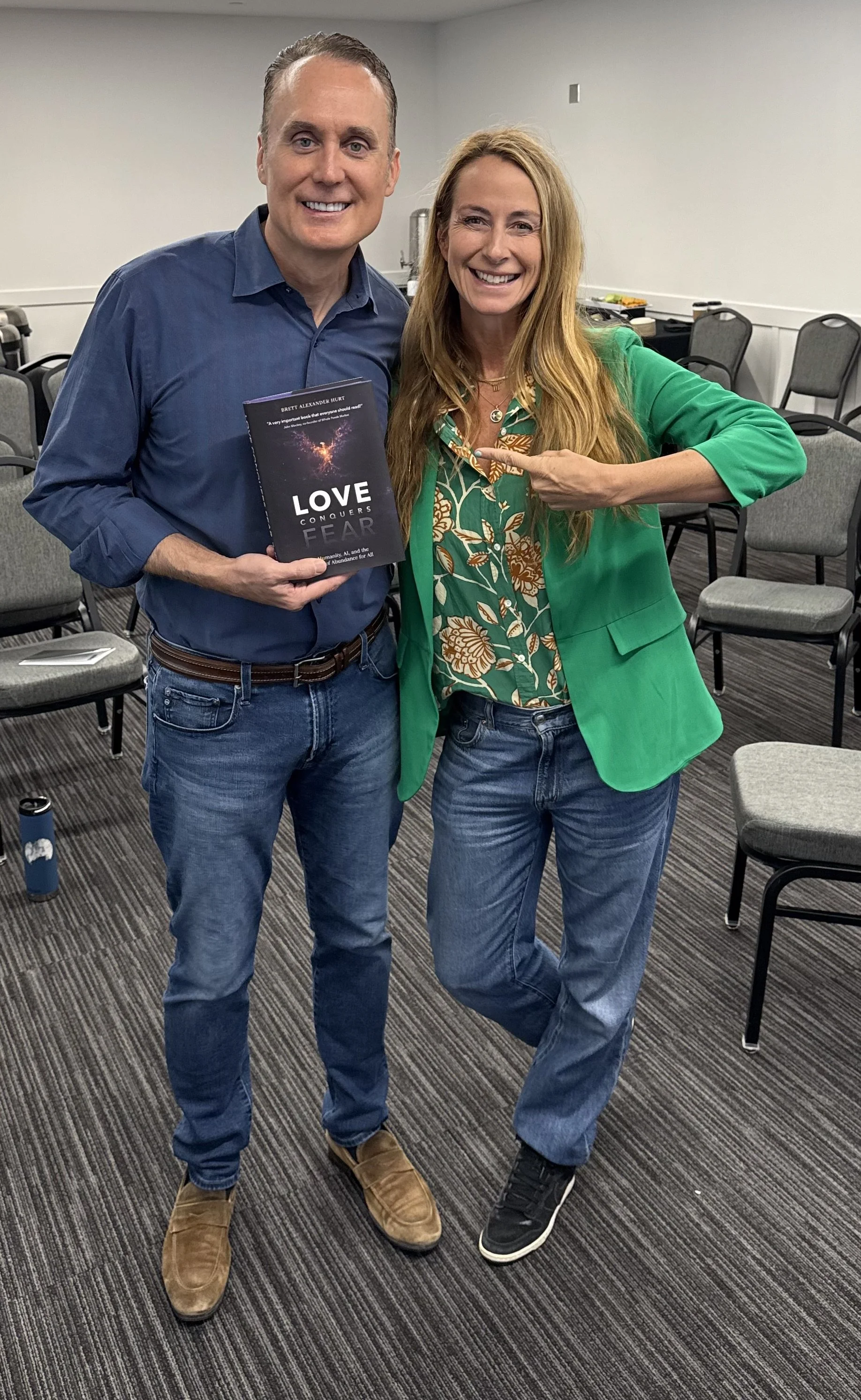
Brett Hurt and me- Henry Crown Fellows at his book launch - Love Conquers Fear
Head: The War College
Nate Cohen and I met in wartime for investors — special situations — on a PE board together. Last year he reached out unexpectedly and nominated me for the National Security Seminar at the Army War College.
I’m an unlikely candidate.
My brother enlisted after September 11. The Army recruiter was next to the Walmart. He was just going in to get dog food. My mom and I watched tanks roll across the desert on the news, waiting for our place on the phone tree before there was even a Green Zone.
He came back altered. We were, too.
I trust Nate. So I came to the NSS.
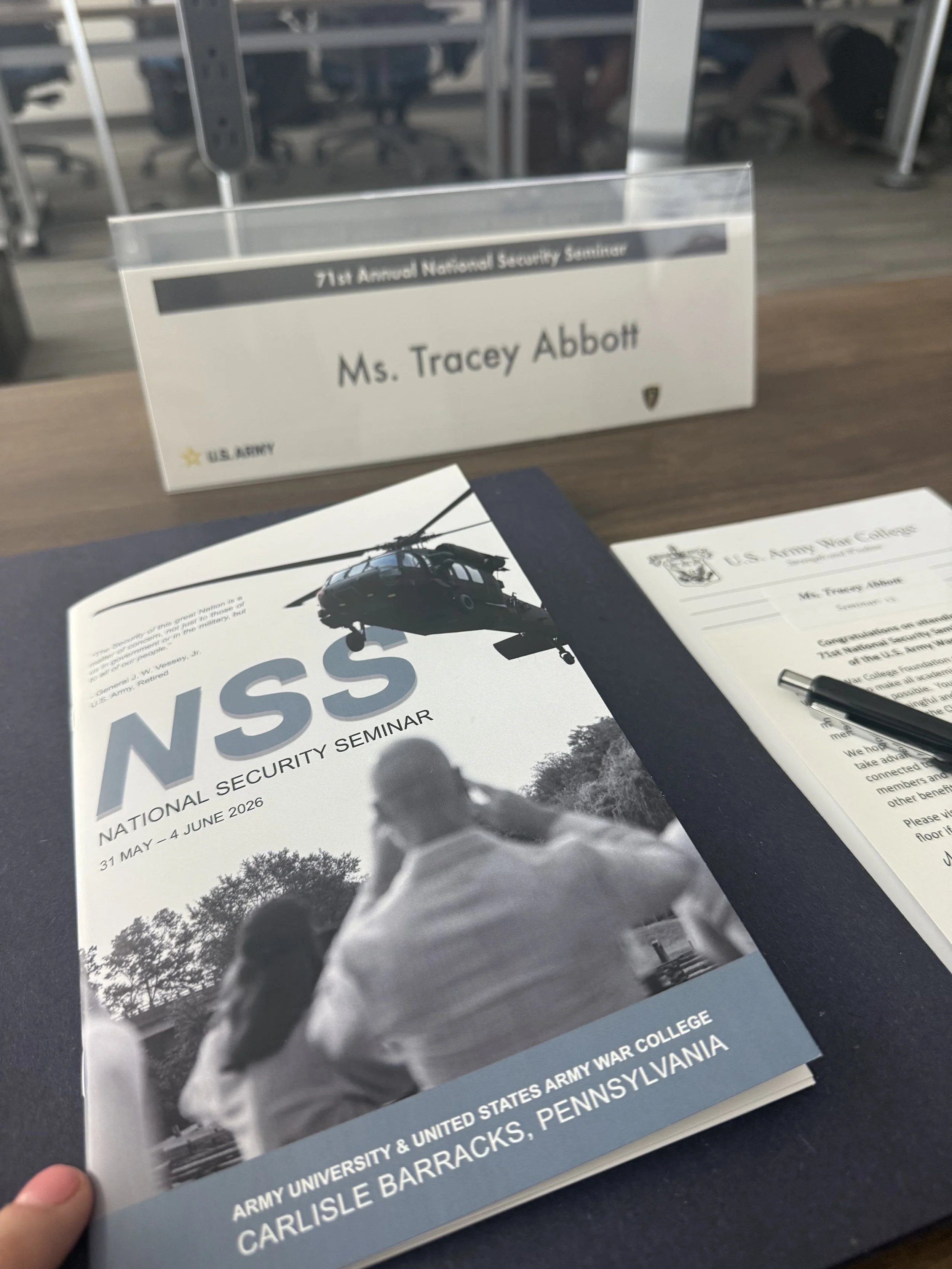
National Security Seminar, Carlisle Army Barracks
One of their headlines: Why We Do It — The Risk of Inaction.
Pearl Harbor on the left. V-J Day on the right. MacArthur’s words underneath: we must go forward to preserve in peace what we won in war.
I’ve been standing on stages in Brazil and at MIT saying some version of the same thing for years. The greatest risk is not taking one. I built a framework around it. And there it was, in the closing brief, like it had always been there.
I stood at Devil’s Den in Gettysburg with a group of generals and a handful of civilians trying to keep up.
July 2, 1863. A Union general named Sickles moved his entire corps forward without orders. He thought he knew better. He was wrong. His flank collapsed. The Confederate line poured through. And the man who saved it — who bought enough time for reinforcements to reach Little Round Top — was a general who despised Sickles personally. Disagreed with the move. Had every reason to let it fail.
He did his job anyway.
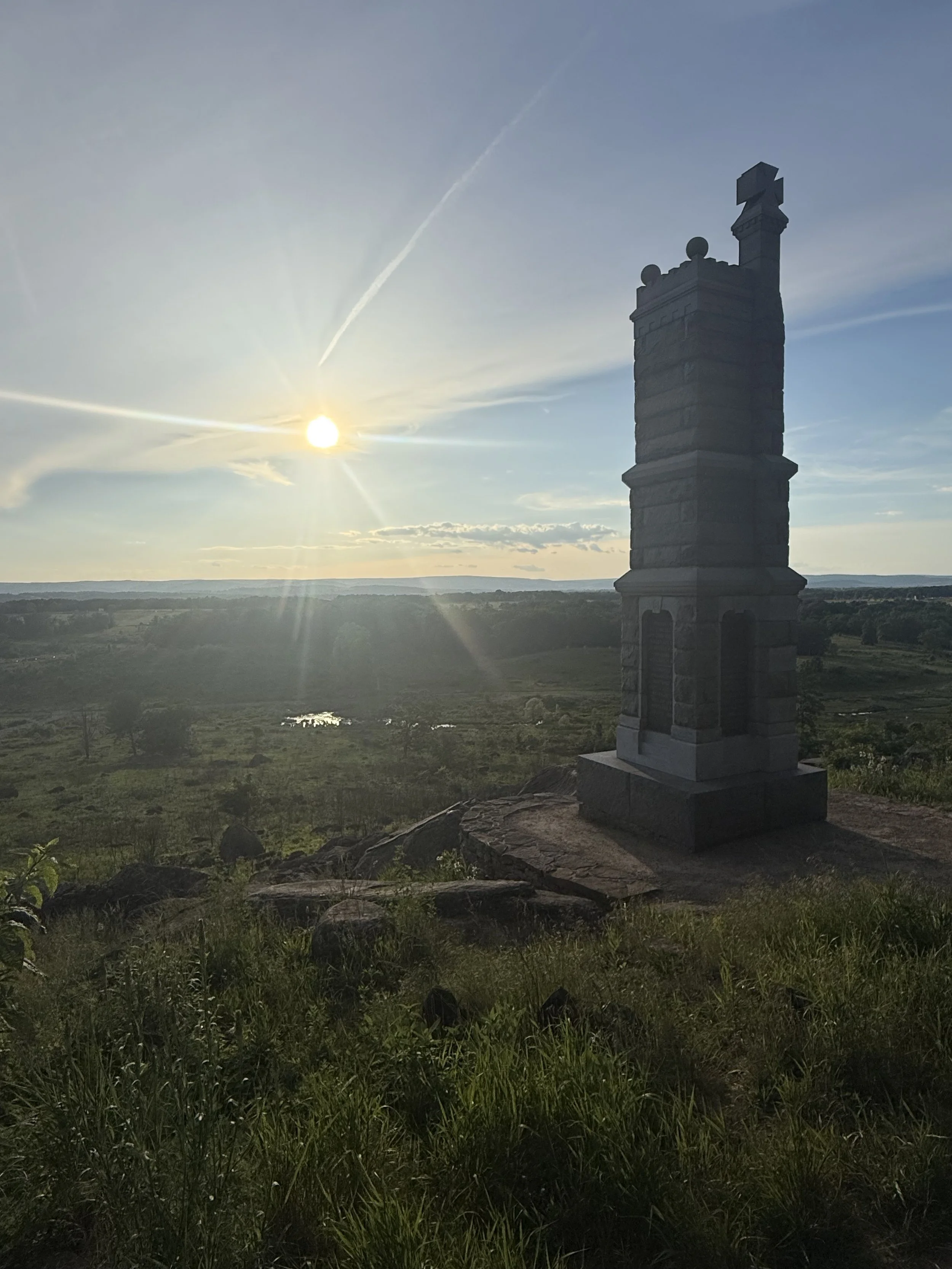
Gettysburg, Pennsylvania.
Fifty thousand casualties over three days. The bloodiest battle ever fought on American soil.
I asked one of the generals how the military builds the kind of cohesion that holds even when the leader makes a catastrophic mistake.
He didn’t hesitate.
Trials and tribulations.
Not retreats. Not assessments. Not trust falls. They go through things together. Hard things. Real things. Things where the cost of failure is a lot more binary than a bad quarter.
One of the leaders at the War College told me quietly, almost as an aside, that he waited until his terminal rank to seek mental health support. He was afraid it would affect his promotion. In four days in that building, surrounded by people who have thought most rigorously about pressure and performance and the cost of inaction, almost no one mentioned mental health in any significant way.
Head without heart calcifies.
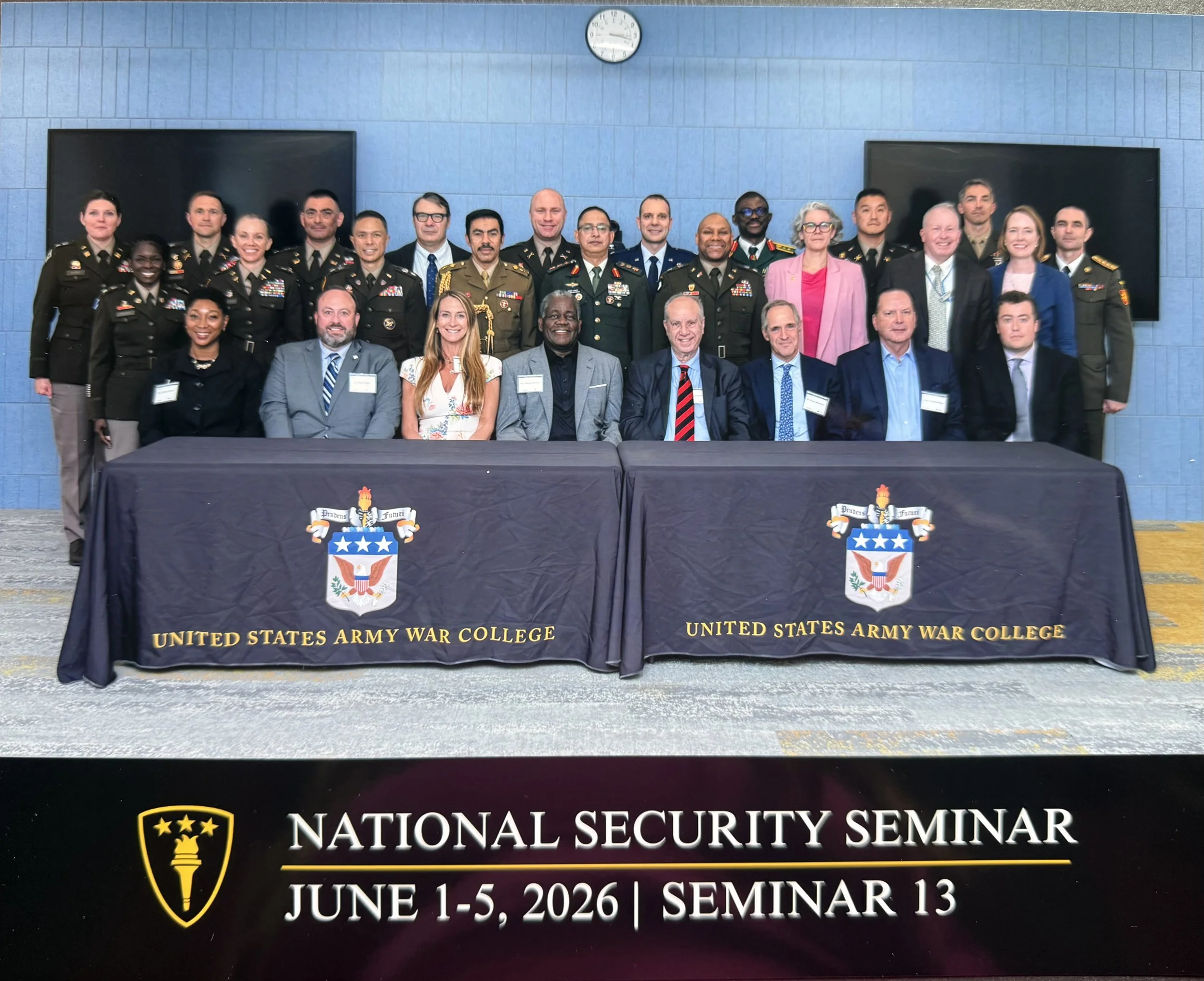
The Pirates, Seminar 13
What Corporate Culture Gets Backwards
Every one of those rooms had a blind spot.
PE talks about value creation and rarely names the human cost inside the companies - the 12 million people working for PE-backed companies in the US. Conscious capitalism talks about collective purpose but needs funding. The War College talks about future battlefields and the bravest people in the room need to look at the shadows inside us to reckon with the mission.
The silence looks different in every room.
It’s the same silence.
Here’s the inversion I keep coming back to — the one I think corporate culture consistently gets wrong.
We build culture around the CEO. We make retention contingent on whether people feel inspired by their direct manager. We make execution optional when the leader loses the room.
The military builds culture through the mission.
Sickles’ men didn’t hold because they loved Sickles. They held because the mission was not optional. The general who hated him still did his job because the alternative was losing the Union — its most important battle.
Most organizations want military-level cohesion without military-level stakes.
But you can get far closer than a catered offsite and a DISC assessment.
You create real stakes. You simulate the specific pressures that will actually come for your team. You find out in a conference room who goes quiet when it matters. Who partners. Who opposes for the right reasons. Who protects their own lane when the mission needs them outside it.
Better to find that out during a simulation than when the activist shows up, or the integration falls apart, or the board loses confidence, or the CFO resigns the week before close.
Leadership dynamics don’t emerge.
They’re exposed.
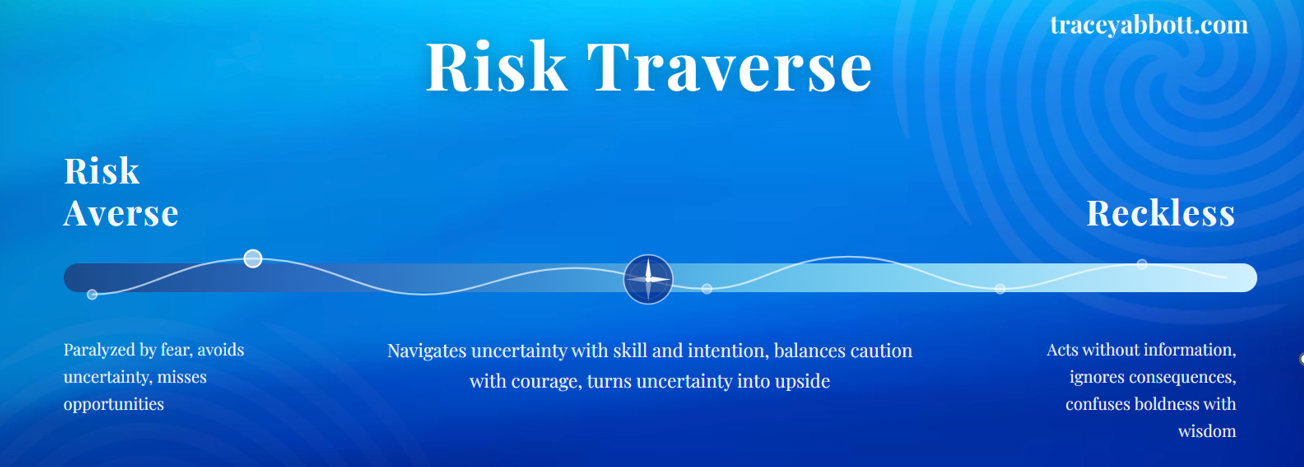
Risk Traverse Leaders
Risk Traverse
There is a spectrum.
On one end: Risk Averse. Waiting, analyzing, over-processing, hoping certainty will arrive before action is required. The conscious capitalism room drifts here sometimes, not from lack of conviction but from excess of care.
On the other end: Reckless. Moving without data, without coalition, without counting the cost. Sickles was reckless. He paid with his leg and nearly paid with the war. He paid with other people’s brothers.
Risk Traverse is the space between. Moving before you’re certain because the cost of waiting is higher than the cost of being wrong. Building conviction through action rather than waiting for conviction to arrive on its own.
The gut-driven PE operator knows this in her body.
The heart-driven conscious capitalist knows it in her mission.
The head-trained military leader knows it in doctrine.
What all three rooms were circling, in their very different languages, was the same question I walk into every offsite.
Where is this team on the spectrum? And have they practiced getting to the right place together?
The irony isn’t lost on me. I only got invited into all three rooms because of relationships. Conference organizers who always invite me back into the Operating Partner fold. A fellow Henry Crown Fellow with me at the Aspen Institute. A PE board member who trusted me enough to nominate me.
While every room debated the future, I was sitting in it because of something much older.
Trust still determines who gets invited in.
This week I’ll walk into a conference room and put a leadership team through something they didn’t see coming. They’ll be uncomfortable. Some will be surprised by what surfaces in themselves. A few will be grateful in a way that’s hard to articulate after.
That discomfort is not a side effect.
It’s the point.
Because when the real version comes, and it will, I want them to have been there before. I want the muscle memory. I want the trust built not through a retreat but through something that actually tested it.
Gut without heart is extraction.
Heart without head is wishful thinking.
Head without gut never moves.
You need all three.
The art of war is not letting it harden you. Or soften you.
I’m still learning too.
Ready to Turn Hesitation Into Clear Action?
Let's explore how the Purpose Value Creation Plan™ can help you and your leadership team navigate high-stakes decisions with confidence.